


Langbeinite
Price range: $11.25 through $20.49
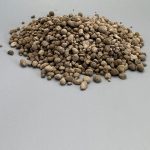
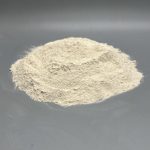
Langbeinite (also known as Sul-Po-Mag) 0-0-22 is a mineral found in relatively few places around the globe. It is an excellent organic source of the macro nutrient potassium (potash), but it also contains micro-nutrients magnesium and sulfur without adding additional nitrogen to the soil. Langbeinite provides excellent support and promotes blooms. It also has a low potential for *fertilizer burn and dissolves gradually throughout the growing season.
- water soluble but slow
- excellent source of macro nutrient potassium
- well balanced: contains 22% potash, 11% magnesium, 22% sulfur
- does not change soil acidity pH
- it has a low overall salt index
APPICATION:
Shrubs and Trees
For new shrubs and trees that you are transplanting, add up ½ cup into the soil. Backfill your hole and thoroughly water. For established shrubs and trees, a soil test should be performed. If indicated, side dress from the base outward in a fanning circle, up to 1 lb of Langbeinite for each 1″ of trunk diameter. Water thoroughly.
Gardens / Flower beds
For established gardens or flower beds, top dress up to 2 tbsp. around each plant. This may do this every other month during the growing season. If you are preparing a new garden or flower bed, apply up to 2 lbs. per 100 square feet. Incorporate the Langbeinite into the loose soil before planting, then thoroughly water.
Container Production
Add up to 2 tsp. of Langbeinite per container “”gallon” into the media surface monthly during the growing season for established container plants (ex. for a “3 gallon” container, add up to 6 tsp.). For new transplants, mix 1 tbsp. per “gallon” of media and mix thoroughly.
*Fertilizer burn is when the use of too much fertilizer, the wrong type of fertilizer, or too little water with a fertilizer causes damage to a plant. It can give the plant a scorched or burnt appearance.
| Weight | N/A |
|---|---|
| Dimensions | N/A |
| Bag Size | 3lbs Bag, 6lb Bag |

Related products

Alfalfa Meal
Alfalfa meal is an all-natural fertilizer made from fermented alfalfa plants. It can contain up to 16 amino acids and one of the more desirable one is triacontanol (a natural-acid growth stimulant). It is a good source of N,P,K and also magnesium, calcium and iron. Alfalfa meal works by breaking down and creating heat, which accelerates the decomposition of minerals within the meal. Rhizobacteria activity present in the soil processes the nutrients even further making them more readily available for the plant to use.
- N-P-K: 2.5-.5-.3
- CEC: high (343)
- energizes the soil bacteria

Azomite
Azomite is mined from a single mine located in central Utah and is approximately 30-million-year-old volcanic seawater ash, hydrated sodium aluminosilicate. It contains up to 70 trace elements and minerals and it provides some micronutrients such as Ca and Mg.
0-0-0.2
Soluble Potash…0.2%
Calcium…1.8%
- 100% natural
- odorless
- no additives or fillers
- will not inhibit aeration or water flow
- does not affect pH
- will not burn plants
Application: Trees (the pH needs to be 6.5 or lower) add 1-5lbs per tree depending on the size of tree. House plants- 1tsp. per 1" diameter pot. Vegetable or flower bed- (new) 1lb per 10square ft, (established) sprinkle around each plant.

Blood Meal
Blood meal is a finely ground protein product that is derived from porcine blood. It is considered high in nitrogen, compared to all the organic meals.
13-0-0
TOTAL NITROGEN (N)...13.0%
*Water Insoluble Nitrogen...13%
- Can lower ph
- High concentration of non-synthetic nitrogen
- Can last up to 8 weeks but some environmental factors can affect its release (3 weeks after application, a soil test is recommended)
- Commonly used to repel/deter animals (ex. deer)
- CAUTION- can make animals sick if ingested
- Brakes down rapidly by soil organisms into an available nutrient
- Quickly available organic nitrogen
- Best application is when it is lightly incorporated into the surface of the soil.
Application: New gardens, 1-2lbs per 100 square feet (depending on the crop) in the first few inches on the soil. Transplants, add aprox. 1tsp into the new hole for plant (water in the new transplant). To top dress, add 1-2tsp (depending on size of plant) every 4 weeks during the active growing season.


 Evergreens
 Ornamental Trees
 Flowering Trees