


Bone Meal
Price range: $7.72 through $14.68
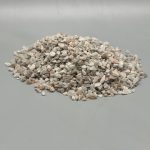
Bone meal is an organic soil amendment and is widely considered one of the most efficient and more readily absorbable forms of phosphorous for your plants. Our finely ground bone meal is processed wholly from a porcine source, then steamed to further enhance its breakdown and nutrient availability. It improves the soil structure by the concentration of the beneficial soil microbes. The microbes digest the bone meal first which then allows the plant to uptake it and other nutrients.
- NPK of 1-29-0
- slow release, 1-4 months
- provides a steady release of Phosphorous
- phosphorous is essential for plants to flower
- contains natural Calcium
- contains trace minerals Zinc, Iron, Cobalt and Nitrogen
- enhances healthy root structures
- can balance other fertilizers
- water insoluble, must break down by soil acidity or microbial activity within the soil/grow media
- does not break down in grow media with pH of 7 or greater
- can add it to the soil or compost prior to planting to prep soil and ensure pH is correct
- helps reduce transplant shock
- helps to prevent plants for becoming stunted
- encourages and promotes blossoms
- especially beneficial for root crops
- commonly used to prevent *blossom-end rot
Application
A soil test is recommended prior to application. This fertilizer is pH sensitive. For containers add 1 Tbs. per gallon of soil. For gardens add 3-6lbs per cubic yard. Trees, add 1lb per 2inches of trunk diameter, spread from the trunk evenly. It’s recommended that the bone meal be blended within the top layer of soil so that is doesn’t clump.
*Blossom end rot is a common problem for fruit bearing plants in which the blossom end of the fruit rots and breaks down which is the result of a lack of calcium and or over/under watering. It affects the quality and overall yield of the plant. Common plants that can have this issue are tomatoes, squash, peppers and eggplants.
| Weight | N/A |
|---|---|
| Dimensions | N/A |
| Bag Size | 3lbs Bag, 6lb Bag |

Related products

Alfalfa Meal
Alfalfa meal is an all-natural fertilizer made from fermented alfalfa plants. It can contain up to 16 amino acids and one of the more desirable one is triacontanol (a natural-acid growth stimulant). It is a good source of N,P,K and also magnesium, calcium and iron. Alfalfa meal works by breaking down and creating heat, which accelerates the decomposition of minerals within the meal. Rhizobacteria activity present in the soil processes the nutrients even further making them more readily available for the plant to use.
- N-P-K: 2.5-.5-.3
- CEC: high (343)
- energizes the soil bacteria

Azomite
Azomite is mined from a single mine located in central Utah and is approximately 30-million-year-old volcanic seawater ash, hydrated sodium aluminosilicate. It contains up to 70 trace elements and minerals and it provides some micronutrients such as Ca and Mg.
0-0-0.2
Soluble Potash…0.2%
Calcium…1.8%
- 100% natural
- odorless
- no additives or fillers
- will not inhibit aeration or water flow
- does not affect pH
- will not burn plants
Application: Trees (the pH needs to be 6.5 or lower) add 1-5lbs per tree depending on the size of tree. House plants- 1tsp. per 1" diameter pot. Vegetable or flower bed- (new) 1lb per 10square ft, (established) sprinkle around each plant.

Bone Char
Bone Char is a rich soil amendment which comes from ground incinerated animal bones. Bone char is a type of BioChar, but contains higher levels of phosphorus than BioChar, which is derived from charred wood. Bone char is a natural filter and is used as such in many industries and in agriculture has been shown to immobilize Cadmium that exists in the soil (a non-essential trace element that in high concentrations is harmful to humans). Because of its highly porous surface, Bone Char effectively holds moisture and nutrients in the soil which would otherwise wash away, requiring less supplemental nutrients to be added over time. This holding of nutrients and moisture allow plans to reach their full potential while greatly improving overall soil health. It is considered a clean and renewable phosphorus rich soil amendment.
0-16-0
Available Phosphorus...16%
Calcium...33%
- reduces toxicity in a plant
- enhances plant health
- increases blooms
- slow release
- high in phosphorus
- immobilizes Cadmium
- renewable source of Phosphorous
- holds moisture and nutrients within the soil
Application: Use Bone Char where soil sample indicates lower Phosphorus levels.
Bone char can be added as an "activated" amendment or "as is". If applied "as is", it will provide benefits albeit in a rather slow fashion. Activated Bone Char is Bone char that has been mixed in a 50/50 ratio with organic compost, moistened and turned daily for 10 days, or drenched with a compost "tea" and allowed to sit for 10 days, keeping it moist. The "Activation" process speeds up the decay of the organic material and allows the healthy microbes to flourish, and find refuge within the highly porous surface of the Char. This holding attribute of the Char also applies to soil moisture.
Planting new Trees or shrubs; add up to 1 lb of activated Bone Char at the root layer before backfilling.
New Container Plants - add up to 20% of your potting media with activated Bone Char.
New Gardens - equal parts compost and Bone Char, with an equal measure of potting media, incorporated thoroughly.


Feather Meal
Feather meal is a biproduct of processing poultry feathers. It is produced by sterilizing feathers and then grinding them into a powder. Its primary benefit is that it is a slow-release nitrogen.
- Guaranteed analysis: 13-0-0
- Has no effect on pH
- Starts to become active within 4-7 days of application
- Can last up to 3 months in soil
- Increases green leaf growth
- It is high in nitrogen, but its bioavailability can be low
- Chicken feathers are the primary source
- not water soluble
- top dressing is not ideal
*Pellets are easy to incorporate in soil and break down fairly quickly. Using feather meal in pellet form helps minimize waste.

Hunters Pro Blend
Give Your Garden the Nutrition it deserves!
Hunters Pro Blend (5-3-4) All-Purpose Fertilizer-is a versatile all-purpose fertilizer combining plant-based meals, animal-based meals, and essential minerals. An excellent choice for vegetable gardens, flowers, lawns, trees and shrubs.
One convenient blend for your garden, farm and landscape.


 Evergreens
 Ornamental Trees
 Flowering Trees